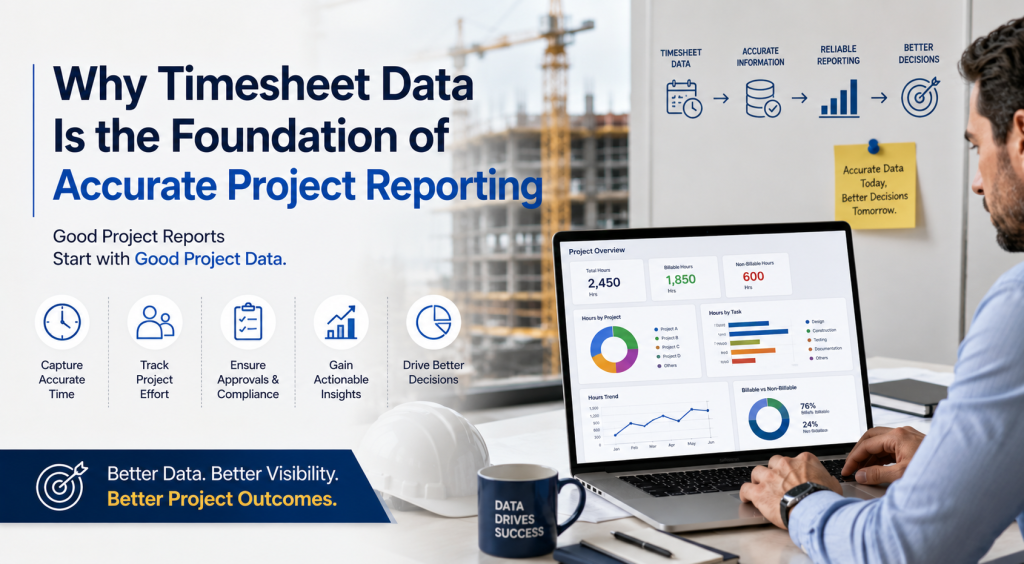
Why Timesheet Data Is the Foundation of Accurate Project Reporting
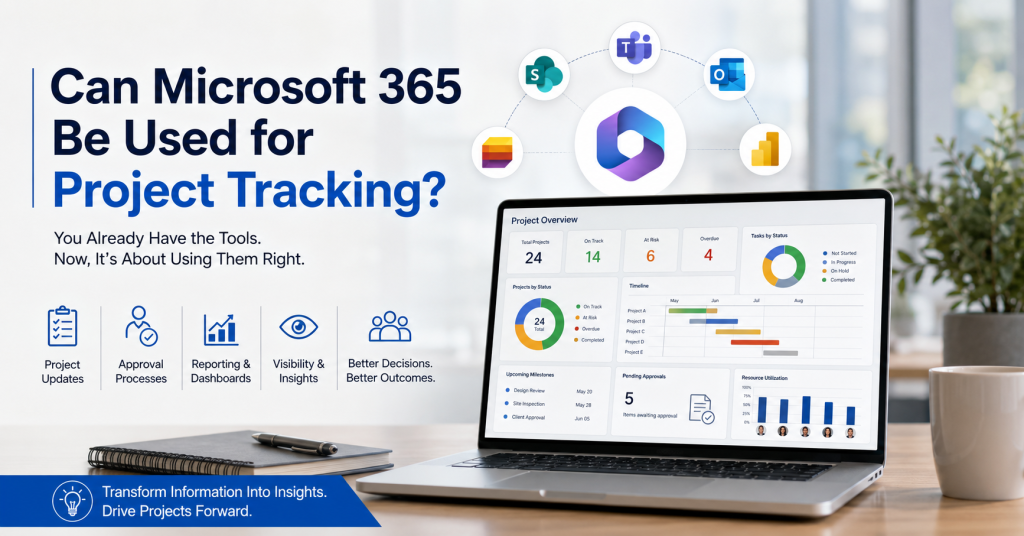
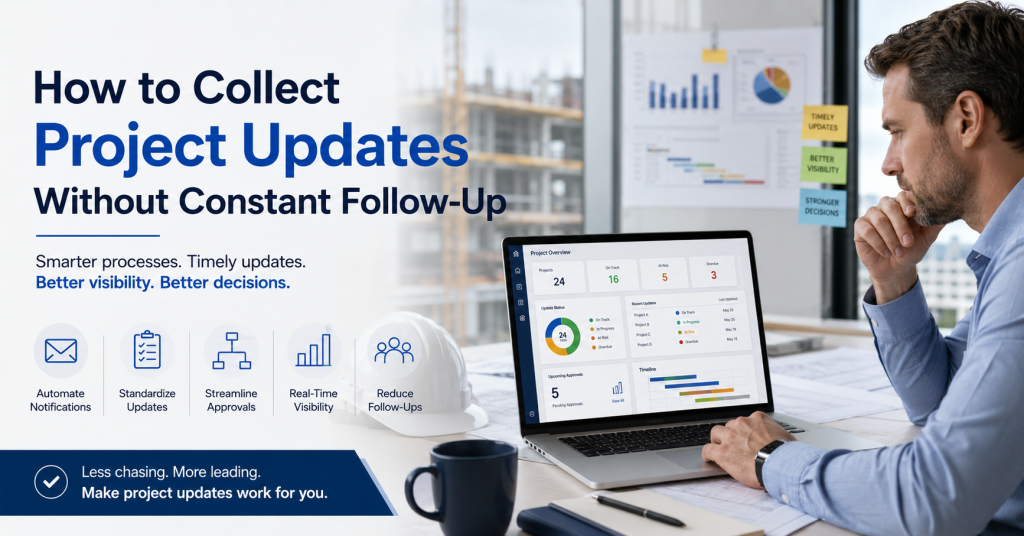
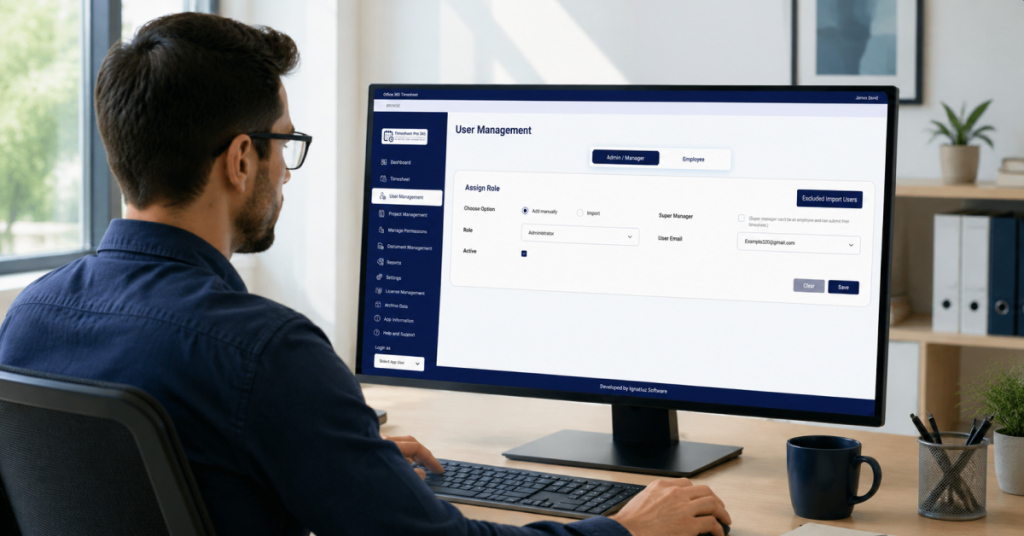
Why Timesheet Data Is the Foundation of Accurate Project Reporting Good Project Reports Start with Good Project Data Organizations invest significant time and effort creating project reports. They build dashboards. They create spreadsheets. They generate weekly and monthly reports. Yet many project managers and executives still struggle to trust the information they receive. The reason is simple. Project reporting is only as reliable as the data behind it. No reporting tool, dashboard, or business intelligence platform can compensate for incomplete, delayed, or inconsistent project information. Accurate project reporting starts with accurate project data. Why Project Reporting Often Becomes Unreliable Many organizations focus heavily on reporting outputs while paying less attention to how project information is collected. Project updates often come from multiple sources: Emails Excel spreadsheets Site supervisors Project managers Shared documents Multiple software systems As projects grow, information becomes increasingly difficult to consolidate and validate. By the time reports are generated, project teams may already be working with outdated information. The result is reporting that looks complete but may not accurately reflect project reality. The Importance of Timesheet Data One of the most valuable sources of project information is timesheet data. Every project consumes time. Every task requires effort. Every resource contributes hours toward project delivery. This makes timesheet information one of the most consistent and measurable sources of project performance data. When collected correctly, timesheet data can provide visibility into: Hours spent on projects Hours spent on tasks Billable and non-billable effort Resource allocation Project progress trends Reporting accuracy Without reliable timesheet information, project reporting often relies on assumptions rather than facts. Common Challenges with Timesheet Collection Many organizations still rely on manual methods to collect project hours. These methods may include: Email submissions Spreadsheets Paper forms Informal updates While these approaches may work for smaller teams, they become increasingly difficult to manage as organizations grow. Common challenges include: Missing submissions Delayed updates Data entry errors Multiple versions of the same spreadsheet Inconsistent reporting formats These challenges create visibility gaps that eventually affect project reporting quality. Why Reporting Problems Often Begin Before Reporting Starts When executives receive inaccurate reports, the reporting tool is often blamed. However, reporting tools typically display the information they receive. The real issue usually occurs earlier in the process. Reporting quality is affected by: How information is collected How frequently updates are submitted Whether approvals are completed on time How data is validated How information is consolidated Improving reporting often begins with improving data collection processes. From Timesheets to Meaningful Project Insights When organizations collect project hours consistently, reporting becomes significantly more valuable. Structured timesheet data can help organizations understand: Project Effort How much time is being invested in projects and activities. Task-Level Visibility Where project effort is being spent. Billable and Non-Billable Work How resources are contributing to organizational objectives. Resource Performance How teams are allocating time across projects. Historical Trends How project effort changes over time. These insights help organizations move beyond activity tracking and toward informed decision-making. Why Microsoft 365 Organizations Have an Advantage Many organizations already use Microsoft 365 tools such as: SharePoint Microsoft Teams Outlook Power BI These platforms provide a strong foundation for collecting, managing, and reporting project information. When project data is collected within a structured environment, organizations can reduce manual effort while improving reporting accuracy. This creates a more reliable flow of information from project teams to decision-makers. How Timesheet Pro 365 Supports Better Reporting Timesheet Pro 365 helps organizations improve project reporting by making timesheet collection more structured and consistent. Key capabilities include: Project-based time tracking Task-level tracking Approval and rejection workflows Automated email notifications Manager, employee, project, and task reporting filters Billable and non-billable hour reporting Power BI integration SharePoint and Microsoft 365 integration By improving how project information is collected, organizations can create a stronger foundation for project reporting and visibility. Conclusion Project reporting does not begin with dashboards. It begins with data. Organizations that focus only on reporting outputs often overlook the importance of accurate information collection. Reliable timesheet data provides the foundation for meaningful project reporting, better visibility, and more informed decision-making. Before investing in more reports, organizations should first ensure they have a reliable process for collecting project information. Because better reporting starts with better data.