Why Project Reporting Fails Before It Reaches Leadership
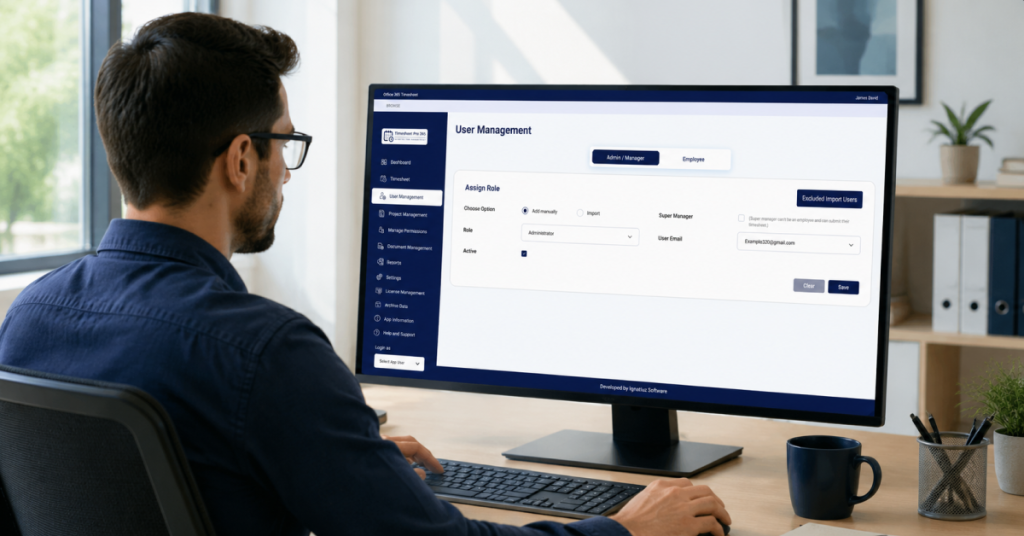
Why Project Reporting Fails Before It Reaches Leadership The Biggest Reporting Problem Isn’t Reporting When executives receive project reports, they assume the information accurately reflects what is happening across projects. Unfortunately, this is not always the case. Many organizations focus on improving dashboards, reports, and analytics while overlooking a more fundamental problem: The information feeding those reports is often incomplete, delayed, or inconsistent. As a result, reporting challenges frequently begin long before reports reach leadership. Project Reporting Depends on Information Flow Every project report relies on information collected from multiple people across the organization. This may include: Site managers Project managers Supervisors Team leads Operations teams Contractors Each stakeholder contributes pieces of information that eventually become part of project reporting. When updates are delayed or missing, reporting quality suffers. The issue is not necessarily the report itself. The issue is the flow of information behind it. Why Updates Often Arrive Too Late Most project teams operate in fast-moving environments. Site managers are focused on project execution. Supervisors are managing teams. Project managers are balancing schedules, resources, and stakeholder expectations. As a result, project updates are often postponed until someone requests them. The reporting process becomes reactive rather than structured. Common symptoms include: Missing timesheets Delayed submissions Incomplete project updates Last-minute reporting requests Multiple follow-up emails Over time, these issues create reporting delays that affect visibility at every level of the organization. The Hidden Cost of Manual Follow-Up Many organizations underestimate how much time is spent collecting information. Before a report can be created, someone often needs to: Send reminders Follow up with employees Track missing submissions Consolidate spreadsheets Verify project hours This administrative effort consumes valuable time that could be spent analyzing project performance and identifying opportunities for improvement. Instead of improving projects, teams become focused on gathering information. Why Spreadsheets Create Reporting Bottlenecks Spreadsheets remain one of the most common tools for project reporting. They are familiar, flexible, and easy to create. However, as projects grow, spreadsheets introduce new challenges. Organizations often struggle with: Multiple spreadsheet versions Data inconsistencies Manual calculations Missing updates Limited visibility The larger the project portfolio becomes, the more difficult spreadsheet-based reporting becomes to maintain. Approval Delays Affect Reporting Accuracy Many organizations have approval processes designed to ensure reporting accuracy. However, approval delays can become a bottleneck. When timesheets or project updates remain unapproved: Reporting timelines slip Information becomes outdated Leadership receives delayed insights Project visibility decreases Approval processes should support reporting, not slow it down. Better Reporting Starts Earlier Organizations often try to solve reporting challenges by introducing new dashboards or reporting tools. While reporting technology is important, the real opportunity lies earlier in the process. Improving project reporting begins with: Consistent information collection Structured update processes Timely submissions Approval workflows Clear reporting ownership When these foundations are in place, reporting naturally becomes more accurate and reliable. How Microsoft 365 Can Improve Information Collection Many organizations already use Microsoft 365 for collaboration and communication. Tools such as: SharePoint Microsoft Teams Outlook Power BI can help organizations create more structured reporting processes. Instead of relying on disconnected spreadsheets and email chains, project information can be collected within a centralized environment. This improves visibility while reducing administrative effort. How Timesheet Pro 365 Supports Better Reporting Processes Timesheet Pro 365 helps organizations improve reporting by strengthening the information collection process. Key capabilities include: Project-based timesheet tracking Task-level reporting Approval and rejection workflows Automated email notifications Project and employee reporting filters Billable and non-billable hour reporting Power BI integration Microsoft 365 and SharePoint integration By improving how information is collected and approved, organizations can reduce reporting delays and improve visibility. Conclusion Project reporting problems rarely begin in reports. They begin much earlier. Missing updates, delayed submissions, spreadsheet dependency, and approval bottlenecks all contribute to reporting challenges that eventually reach leadership. Organizations that improve information collection often discover that reporting becomes easier, faster, and more reliable. Because effective reporting is not just about creating reports. It is about creating a reliable flow of information from project teams to decision-makers.